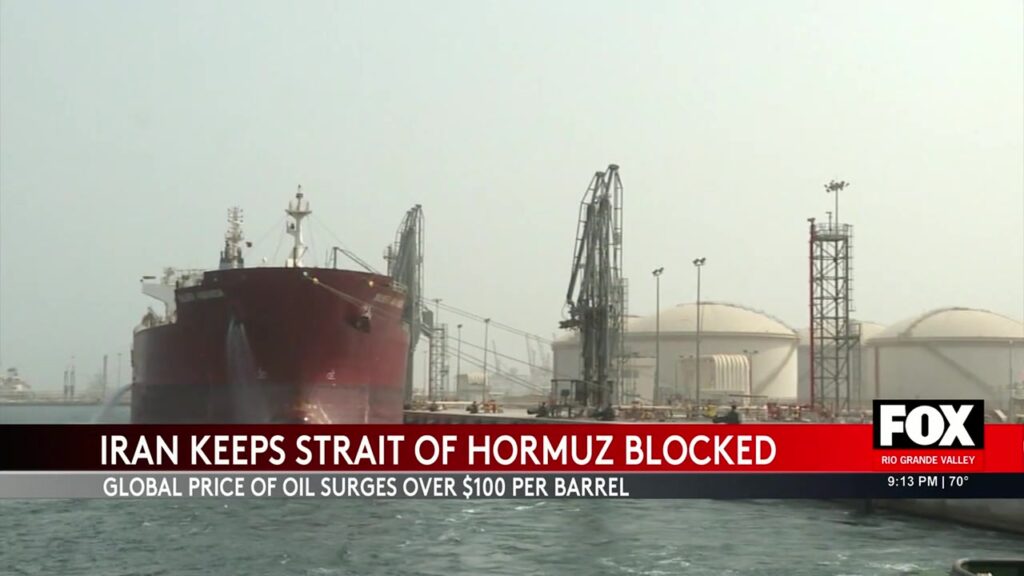
In a bold assertion of power, Iran's new Supreme Leader, Mushtaba Khamenei, has maintained the closure of the Strait of Hormuz. This strategic blockade is impacting international trade and causing global oil prices to spike, surpassing the $100 mark per barrel. The tension in the region is part of the broader conflict involving the United States, Israel, and Iran, with influences that ripple across international borders.
In one of his first statements since assuming leadership, Khamenei articulated via state-run media that the Strait's closure would be used strategically as a "tool of pressure." This stance follows a series of aggressive moves by Iran, including attacks on ships attempting transit and port assaults in neighboring areas like Bahrain. These actions have compounded the chaos, significantly disrupting international shipping routes and trade dynamics.
Strategic Importance of the Strait
The Strait of Hormuz is one of the most pivotal maritime transit routes in the world, primarily for its role in oil transport. The strait is a narrow waterway yet traditionally accommodates about 20% of global oil shipments. Such closures severely disrupt these flows and escalate regional instability, directly connecting to broader economic impacts worldwide. Given its location, bordering several key oil-producing nations, the strait's accessibility is vital to global energy markets.
The closure contributes to a ripple effect whereby affected countries feel the brunt of increased oil prices, influencing everything from transportation costs to energy markets. As Iran continues its blockade, concerns grow about further disruptions and heightened geopolitical instability in the Middle East.
Political Repercussions and Global Impact
The response from global powers, particularly the United States, has been swift yet complex. The US Energy Secretary has announced plans for military escorts to aid commercial vessels navigating the Strait of Hormuz, although logistical and diplomatic hurdles delay immediate deployment. This situation thrusts the international community into a delicate balancing act between responding robustly to Iran's defiance while cautiously managing potential military escalations.
Simultaneously, many countries, including members of the European Union and other regional stakeholders, are urging diplomatic solutions in an effort to mitigate further economic and security threats. The release of 400 million barrels of oil from global reserves by 32 countries underscores international efforts to stabilize the energy market and buffer economic shocks from the blockade.
Ongoing International Tensions
The ongoing tension in the region underscores a broader, more complex narrative of regional and global geopolitical challenges. Essential maritime shipping lanes remain under threat, compelling countries to reconsider their defense and energy policies. The incidents highlight the fragile interconnectedness of international trade networks and energy security frameworks.
As international negotiations continue, the need for a strategic balance between diplomacy and defensive readiness has become evident. Countries involved seek to protect vital economic interests while working towards a peaceful resolution without further polarizing international alignments.
While several nations push for diplomatic engagements, Iran's aggressive posturing in the region necessitates an evaluation of military strategies to ensure national security and foster stability. The ongoing discourse emphasizes the importance of multinational collaboration to address the complex geopolitical dynamics involving Iran.
Additional Resources
For insights into international oil shipment routes and maritime security, visit the US Energy Information Administration.