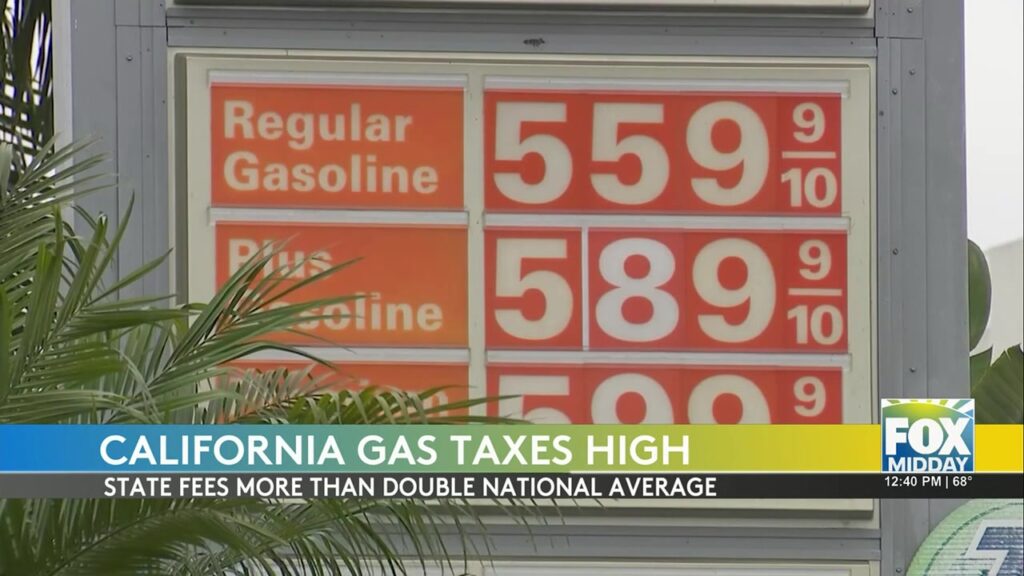
In recent developments, California is experiencing a continued rise in gas prices that Governor Gavin Newsom attributes to the disreputable practices of oil companies and international conflicts. While citizens are accustomed to fluctuating prices, the current situation demands attention due to its severity and broader economic implications. The stability of California’s economy is closely entwined with energy costs, making this a pressing issue for millions.
Historically, Californians have been familiar with elevated gas prices, often topping the national average. A combination of state-specific regulations, taxes, and fees has consistently maintained this trend. However, the recent surge is particularly troubling, drawing attention from policymakers, economists, and everyday consumers alike.
Governor Newsom's Accusations
For long, Newsom has accused big oil of unfair practices, attributing these to California's relentless high prices. Newsom recently added a geopolitical twist to the narrative by highlighting President Trump's Middle East policies as exacerbating the state’s challenges. The governor argues that international tensions and conflicts, particularly in regions critical to oil production, have ultimately impacted import prices, thus raising local gas costs. He believes Californians are paying more due to these international disruptions.
Despite these challenges, California’s local fees and taxes remain a substantial contributor to the elevated costs. The state's gas taxes are among the highest in the nation, contributing significantly to the price at the pump. These taxes are intended to fund infrastructure, road maintenance, and other public works projects, but they undeniably add to consumer costs.
Oil Import Dynamics
Today, California imports a staggering 63% of its oil, primarily from foreign nations like Saudi Arabia and Brazil. This reliance on overseas supply chains exposes the state to price volatility driven by global oil market fluctuations. Concerns over environmental practices and geo-political stability further complicate this dependency.
Historically, California relied heavily on domestic oil production, including resources from within the state and Alaska. However, a combination of declining local production, stringent state regulations, and an increased demand for oil have shifted this balance. The transition towards greater imports heightens concerns over sustainability and vulnerability to disruptions affecting international supply routes.
Sustainable Solutions?
With California’s climate agenda demanding the closure of numerous refineries, a shift towards potentially greener domestic sources appears imperative. The state has been a prominent advocate for renewable energy, intending to reduce carbon emissions and dependence on fossil fuels. These initiatives include investments in solar power, wind energy, and electric vehicle infrastructure.
However, the current regulatory environment and international market constraints continue to complicate these prospects. As refineries face stricter emissions standards, regulatory pressures could further diminish domestic oil production capacity. This presents a paradox: while the state encourages cleaner energy transitions, the immediate feasibility of such a transition remains challenged by market realities and the complexity of energy infrastructure.
Californian leadership, while committed to these environmental goals, must navigate the intersection of ecological aspirations and economic realities. Enhancing energy independence without exacerbating costs remains a formidable task requiring innovative policy solutions, industry collaboration, and public support.
Additional Resources
Explore more insights on California's energy strategies on energy.ca.gov.