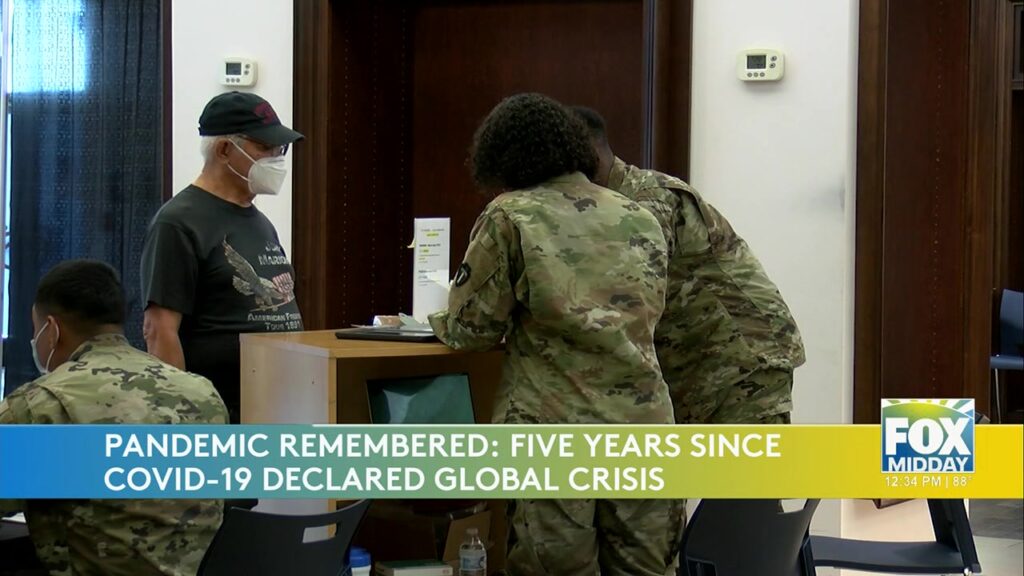
Moving on to this afternoon's national news, health communities and citizens around the world are marking National COVID-19 Day. This is a movement dedicated to reflecting on the global pandemic that profoundly impacted communities and transformed lives. It serves as a solemn reminder of the challenges faced and the resilience shown during a period of unprecedented public health crises.
On March 11, 2020, the World Health Organization (WHO) officially declared COVID-19 a global pandemic. This declaration marked the start of an intense and challenging period globally, bringing everyday life to a standstill for many and fundamentally changing the interaction of people across continents. Today, communities across the nation and particularly in our region remember not only the lives lost to this debilitating virus but also pay homage to those left behind, struggling with ongoing grief.
More than just a commemoration of the past, National COVID-19 Day is also about celebrating the heroes who emerged from these difficult times. Essential workers, healthcare personnel, and local community leaders rose to the challenge, their contributions fitting into a broader tapestry of resilient actions that showcased humanity’s best.
Remembering the Lives Lost
The numerous lives lost to the COVID-19 pandemic cannot be overlooked. Each individual who succumbed to the virus represents a community member, a family bond that was severed too soon. National COVID-19 Day urges us to bow our heads and respect the memories of those who were lost during the pandemic. From urban centers to rural towns, each community felt the weight of loss differently but entirely unequivocally.
In our own region, including key areas like Edinburg, Pharr, and Corpus Christi, ceremonies and virtual gatherings are being held. These acts of remembrance provide solace to grieving families and keep alive the memories of those who were taken too early. This day stands as a unified effort to acknowledge the collective and personal grief many still experience.
Honoring Frontline Workers
The selfless dedication of frontline workers ensured the world remained resilient in the face of adversity. Health workers demonstrated extraordinary courage and commitment, pushing through exhaustion and risking their own lives daily. First responders and essential workers, including those from smaller regions such as Weslaco and Donna, kept societies' vital services functioning, often working around the clock to ensure the safety and continuation of community life.
The gratitude owed to these tireless individuals is boundless and today serves as a formal acknowledgment of their sacrifices. Their stories of resilience and resourcefulness fortified communities and inspired global admiration, proving yet again the mighty spirit of humanity when facing adversity.
Community Resilience
Simultaneously, the experience of living through a pandemic highlighted the innovation and solidarity born within communities. Despite being physically distanced, people sought to support each other in myriad of creative ways, whether through organizing donation drives, volunteering, or providing mental health support. This solidarity made a vast difference in the lives of many, offering hope and practical assistance in trying times.
In every corner of the world, including close-knit communities in places like Brownsville and Harlingen, bonds were forged and strengthened. The pandemic, despite its catastrophic impact, kindled an indomitable collective spirit, paving the way for recovery and preparedness for future challenges.
National COVID-19 Day is not only about mourning but also about healing and learning from the enormous challenges. It's a day that unites past with present, fostering a sense of renewed hope and potential for future resilience and recovery.
Additional Resources
For more insights into pandemic response efforts, visit the World Health Organization's official website. Another invaluable resource is the U.S. government’s pandemic information portal at CDC's COVID-19 page where you can find the latest research, statistics, and guidance on managing the virus.