The rising incidence of colorectal cancer among individuals under the age of 50 has become a pressing concern for health professionals and researchers worldwide. Though the exact causes remain elusive, emerging evidence suggests that diet and lifestyle choices play significant roles in this worrying trend. Colorectal cancer, once predominantly diagnosed in older adults, is now increasingly affecting younger populations. This shift has prompted intensive research into the potential factors underlying the rise in early-onset cases and what preventative measures can be implemented to combat this trend.
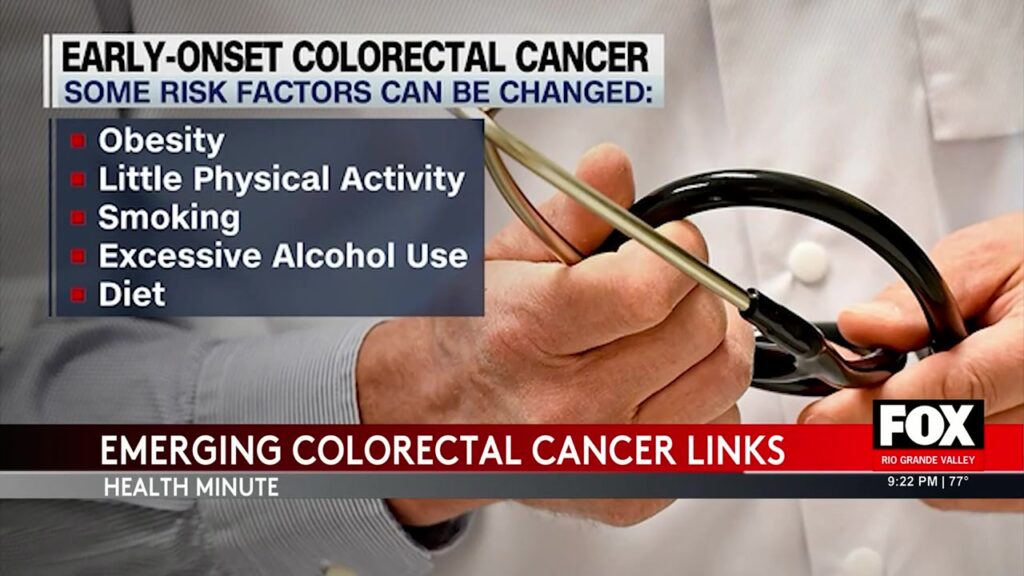
Dr. Shana Sulton, a researcher at the University of Minnesota, highlights the complex interplay of genetics, medical history, and lifestyle in influencing colorectal cancer risk. While genetic predispositions and existing medical conditions such as inflammatory bowel syndrome are immutable factors, lifestyle choices have gained considerable attention for their modifiable nature. Obesity, sedentary behavior, and the consumption of diets high in processed meats and low in essential nutrients like fiber, fruits, and vegetables are under scrutiny for their contribution to the increasing cancer rates.
Investigating Dietary Influences
The impact of diet on colorectal cancer development cannot be overstated. Western dietary patterns, characterized by high intakes of red meat, saturated fats, and ultra-processed foods, have been implicated in the rise of cancer diagnoses. Ultra-processed foods, often laden with sugar, unhealthy fats, and salts, form a significant part of many individuals' daily intake. Dr. Sulton emphasizes the necessity of dietary shifts towards more whole foods and nutrient-dense options, including increased consumption of vegetables, fruits, and whole grains, to mitigate cancer risks.
The modern lifestyle, often requiring quick and convenient meal options, has led to a surge in the consumption of these ultra-processed products. Research indicates that diets rich in these food types can lead to inflammation and other bodily changes that are conducive to the development of cancerous cells.
Changing Dietary Habits for Health
Public health campaigns are increasingly focusing on educating individuals about the importance of balanced, nutritious diets in cancer prevention. Emphasizing diets filled with fresh produce, proteins from plant-based sources, and “good” fats like those from nuts and fish, health professionals aim to pivot public dietary habits towards those that support longevity and reduce disease risk. The benefits of such dietary patterns extend beyond cancer prevention, aiding in overall health improvement and the management of other chronic conditions such as heart disease and diabetes.
Dr. Sulton underscores the role of personal responsibility and informed dietary choices. While societal and economic factors often influence food accessibility and choices, education on the nutritional value and health implications of various food types are crucial. Individuals are encouraged to prioritize home-cooked meals and minimize the intake of foods high in unhealthy additives to improve their long-term health outcomes.
Steps Toward Prevention
To mitigate the risks associated with colorectal cancer, healthcare practitioners recommend regular screenings, especially for individuals with family histories of the disease or other risk factors. The increasing recognition of lifestyle factors in cancer risk highlights the necessity for early interventions and preventive measures. Public health initiatives continue to advocate for increased awareness and understanding of how simple lifestyle changes, including cessation of smoking and moderation in alcohol consumption, can significantly lower cancer risks.
Moreover, adopting a physically active lifestyle is strongly encouraged as a complementary strategy to dietary modifications. Regular physical activity helps maintain a healthy weight and reduces inflammation, which are both critical in cancer prevention. Interactive community programs and resources are being developed to support individuals in making these lifestyle changes, emphasizing accessibility and long-term commitment to healthful living.
Additional Resources
For more information on cancer prevention and research, visit the National Cancer Institute.
Additional data and resources on public health initiatives can be accessed through the Centers for Disease Control and Prevention.