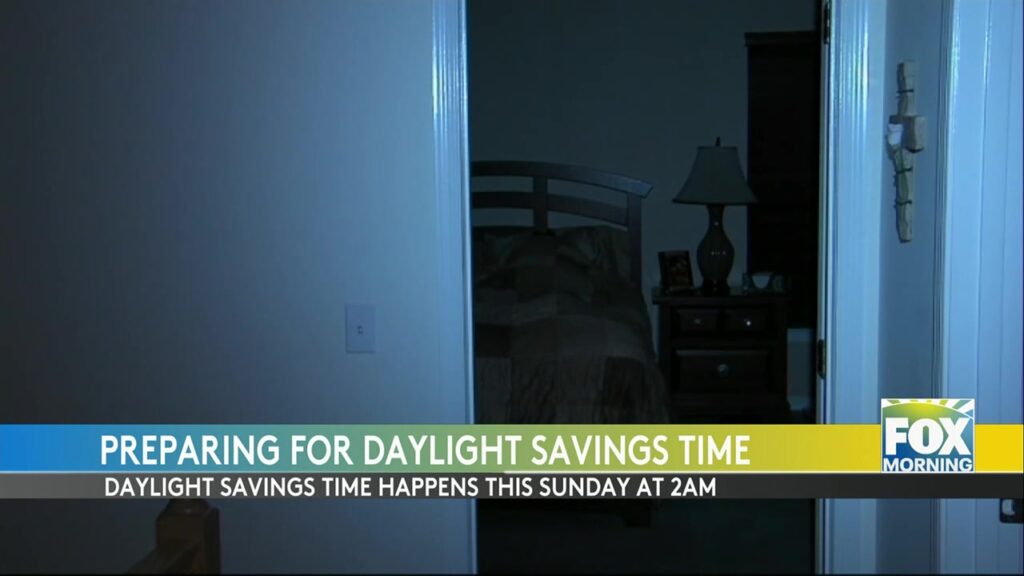
As daylight savings time approaches, it prompts a significant shift in our daily routines. Scheduled to begin at 2 a.m. on a Sunday, most Americans will enjoy an extra hour of evening light. However, this change comes at the cost of losing an hour of sleep, a transition that can be challenging for many, particularly those who already struggle with sleep difficulties. With proper strategies and awareness, this adjustment can be optimized for health and well-being.
Daylight savings time, a biannual tradition in many parts of the United States, is intended to make better use of daylight. By moving an hour of daylight from the morning to the evening, it allows for more efficient use of natural light throughout the day, reducing reliance on artificial lighting.
Impact of Daylight Savings on Daily Routine
For some, the impending shift in time marks a welcome increase in daylight hours, providing more opportunities to enjoy outdoor activities after work or school. The shift is an opportunity to extend leisure time into the evening, making it favorable for those who thrive in the longer days of spring and summer. However, not everyone finds the transition as effortless.
The real challenge lies in the biological shift required by our body's internal clock, known as the circadian rhythm. This internal clock regulates the sleep-wake cycle and other physiological processes based on natural light exposure. The abrupt change can disrupt this system, leading to increased feelings of fatigue, irritability, and difficulty concentrating, especially in the days following the time change.
Health Expert Recommendations
To ease the impact of daylight savings on your sleep schedule, health experts suggest a gradual adjustment approach. If you start by shifting your sleep and wake times by 15 minutes earlier each day, beginning a few days before the transition, you can minimize disruptions to your sleep cycle. This incremental approach allows your internal clock to adjust gradually, lessening the shock to your system.
Another effective strategy is to increase your exposure to natural light, particularly in the morning. This can be accomplished by opening curtains immediately after waking or spending time outdoors early in the day. Natural light exposure helps reinforce your circadian rhythm, synchronizing it with the new schedule more effectively.
For those who experience significant difficulty with the transition, the use of a low dose of melatonin might be beneficial. Melatonin is a hormone that regulates sleep, and a small supplement may help your body adjust by promoting drowsiness when it is needed.
Emphasis on Sleep Health
Establishing and maintaining healthy sleep habits is essential not only during seasonal time changes but as a regular practice. Prioritizing sleep hygiene can contribute to improved overall health, well-being, and productivity. This includes setting consistent sleep and wake times, creating a relaxing bedtime routine, and ensuring your sleep environment is conducive to rest, free of excessive light and noise.
As daylight savings time reminds us of the importance of balance and adaptability, addressing sleep health becomes even more crucial. By proactively managing your response to the time change, you can improve your adjustment process and support your long-term health.
Additional Resources
For further guidance on sleep health, visit the National Sleep Foundation at www.sleepfoundation.org or explore additional resources available at CDC - Sleep and Sleep Disorders.