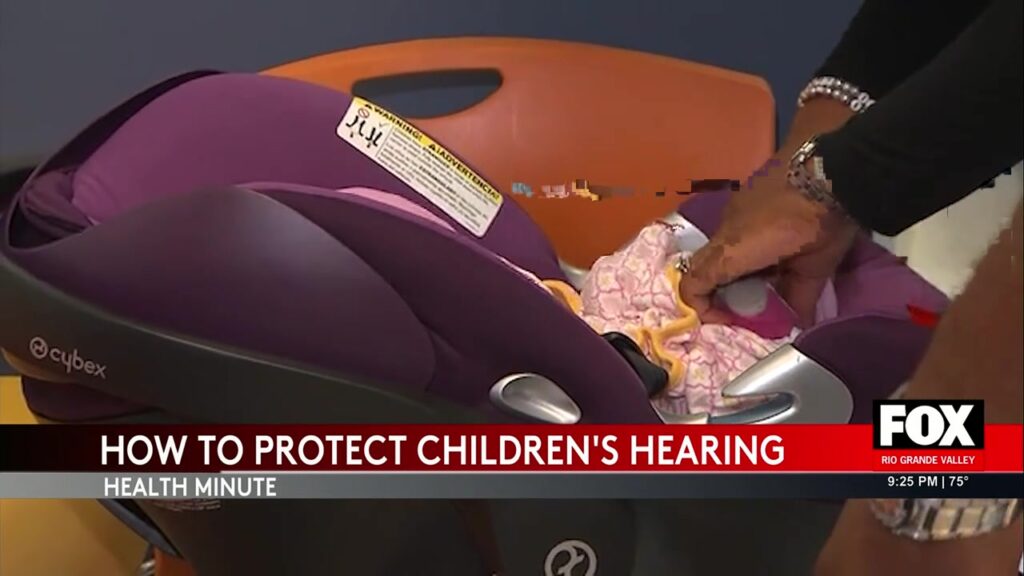
World Hearing Day serves as an important reminder to prioritize hearing health, especially in children. Experts across the globe are spotlighting the critical nature of early detection and intervention for hearing loss in children, emphasizing its potential impact on various aspects of development. For many, the risk of hearing issues begins at birth and increases with age, making it essential for parents and caretakers to be proactive.
Hearing plays a crucial role in child development, influencing speech, communication, language, and academic achievement. Missing out on critical auditory information can hinder a child's ability to interact socially and learn effectively, underscoring the significance of addressing hearing loss as early as possible.
Prevalence and Impact
According to recent statistics from the Centers for Disease Control and Prevention (CDC), nearly two out of every 1,000 newborns in the United States were diagnosed with some form of hearing impairment in 2022. While some instances are genetic, the risk continues to rise as children grow older. An alarming survey has revealed that more than 15% of adolescents aged 12 to 19 experience some degree of hearing problems. These figures are a call to action for routine hearing screenings and attentive parental observation.
Undetected hearing loss can lead to significant developmental challenges. On a foundational level, hearing is integral to learning language and communication skills. It also affects social interactions and academic performance, as a child's ability to process auditory information greatly influences their learning environment.
Identifying Early Signs of Hearing Loss
Recognizing the early signs of hearing loss in children is a crucial step for parents and caregivers. Hearing professionals emphasize observing how young children respond to everyday sounds and speech as an initial screening method. Important indicators may include a child's ability to locate the source of sounds, how they react to their name, and their general responsiveness to voices.
Other signs may include frequent requests for repetition during conversations, increasing the volume on electronic devices, and a lack of response to soft sounds. Early intervention can significantly affect management outcomes, making parental vigilance essential for initiating any necessary audiological evaluations.
Prevention and Protection Strategies
Preventive measures are an equally critical component of hearing health. Simple habits such as managing the volume on personal listening devices, using protective hearing gear in noisy environments, and keeping children away from excessively loud noises can help preserve hearing. Professionals liken these preventive actions to wearing seatbelts in cars or applying sunscreen, aiming to inculcate lifelong habits of hearing care.
Educational campaigns and resources can further promote best practices for hearing preservation and ensure that the broader community is aware of the importance of hearing health. By fostering environments that recognize the implications of hearing loss and prioritize protection, society can help reduce the incidence of preventable hearing issues.
Additional Resources
For more detailed information on hearing care and resources available for children, parents and caregivers can visit the CDC Hearing Loss Resource Page. This site provides comprehensive guidance on understanding, managing, and preventing hearing loss in children, enabling families and healthcare professionals to keep informed on the latest best practices and research.