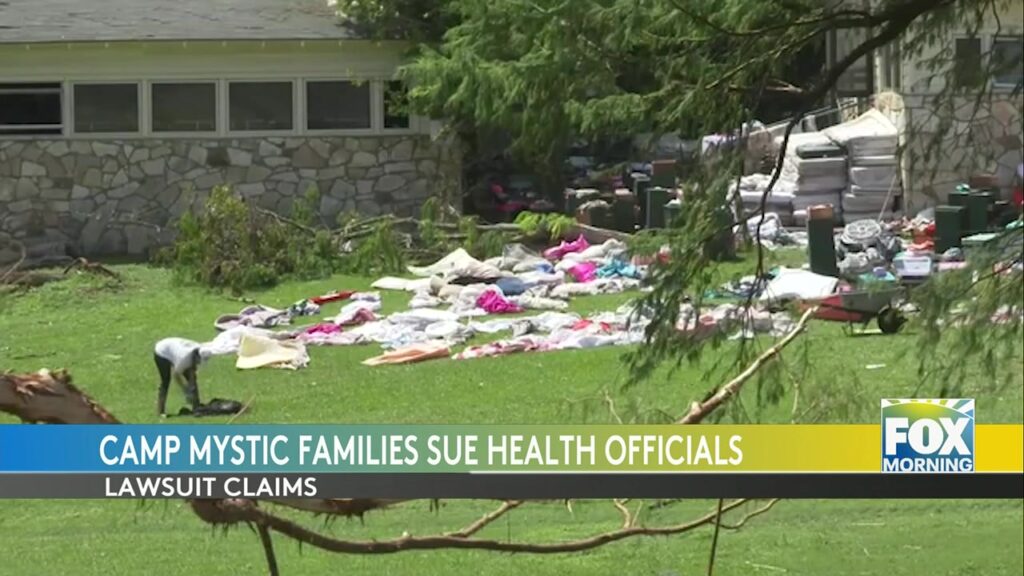
The tragic incident at a Texas girls' camp has brought to light significant issues regarding camp safety and regulatory oversight. On July 4th, 27 campers and counselors lost their lives due to flooding, a catastrophe that families claim could have been prevented had proper safety protocols been in place. The incident has ignited legal battles and sparked a broader conversation about safety standards for youth camps in Texas.
As the families of the victims seek justice, they have filed a lawsuit against six Texas health officials, alleging negligence for not enforcing regulations that require camps to have evacuation plans. The lawsuit demands monetary damages but, more importantly, seeks to ensure that such a tragedy never happens again.
A Devastating Loss
The events of July 4th that led to the deaths of 27 individuals have been deeply traumatic for the families involved. The lack of an efficient evacuation plan, which the law requires for all youth camps, lies at the core of the legal suit. Without the designated procedures for ensuring the safety of campers, the disaster unfolded in a manner that might have been avoidable.
These camps serve as places for learning and personal growth, and are often seen as safe environments where children and young people build friendships and enjoy various activities. The absence of a crucial emergency plan during the critical moments of the flood is seen by many as a severe oversight by those in charge.
State Officials Under Scrutiny
The scrutiny extends beyond the camp itself and onto state officials who are responsible for overseeing and enforcing safety regulations. Lieutenant Governor Dan Patrick has become a vocal figure in a push to halt the camp's operations for the foreseeable future. He has issued a formal request to the Texas Department of State Health Services Commissioner, urging them to deny the camp's 2026 license.
This heightened attention signifies a larger issue within the state's oversight framework. The Texas Department of State Health Services is now compelled to review current policies and monitoring procedures. Ensuring compliance with safety regulations is vital to safeguarding individuals who depend on these camps for recreational and developmental experiences.
Impact on Camp Operations
The lawsuit holds significant implications for how youth camps will operate moving forward. While the families are seeking financial compensation for their unbearable losses, their primary goal is to push for systemic changes. The establishment and enforcement of effective safety plans are crucial in preventing future incidents and restoring confidence in camp operations.
Camp administrators, regulatory bodies, and public officials are now called upon to collaborate and communicate efficiently to enhance safety measures. The introduction and ubiquitous dissemination of evacuation and emergency plans are pivotal steps in creating safer environments.
As part of restoring trust, camps will need to provide assurance that they are prepared for emergencies, with clearly defined procedures available and accessible to all potential stakeholders, including staff and campers' families. This means a potential overhaul of existing practices and more rigorous audits of compliance with statewide and national safety standards.
Additional Resources
To better understand camp safety regulations and how they are implemented, you can visit the Texas Department of State Health Services website for comprehensive guidelines: hhs.texas.gov
For broader information on camp safety practices across the United States, visit the American Camp Association's resource page: acacamps.org