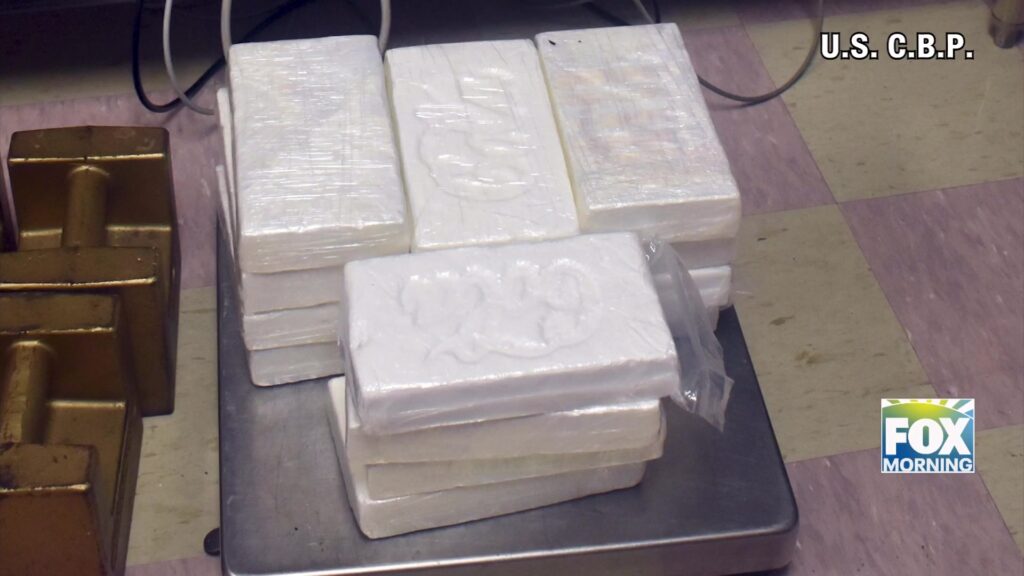
The Brownsville Veterans International Bridge was the site of a major drug bust, underscoring the ongoing battle against narcotics trafficking at the U.S.-Mexico border. Authorities seized over 37 pounds of cocaine, with an estimated street value of nearly $498,000. This substantial seizure was carefully concealed in a 1987 Kenworth tractor, with the contraband meticulously packed into 16 bundles. This interception highlights the rigorous efforts made by customs and border protection officers to prevent illegal substances from entering the United States.
This incident serves as a potent reminder of the challenges that law enforcement agencies face on a daily basis. The seizure is a testament to the vigilance and dedication of border patrol agents and customs officers who work tirelessly to protect national security.
Efforts to Combat Drug Trafficking
The interception at the Brownsville bridge is part of a broader strategy among law enforcement agencies to disrupt and dismantle drug trafficking operations. Federal authorities employ a multi-faceted approach, incorporating cutting-edge technology alongside traditional intelligence-gathering methods. Techniques such as X-ray imaging and canine units play crucial roles, complemented by informant tip-offs and rigorous data analysis to catch smugglers attempting to introduce illicit substances into the country.
Collaboration is critical in this fight. Various agencies, including U.S. Customs and Border Protection (CBP) and the Drug Enforcement Administration (DEA), coordinate extensively to identify trafficking patterns and target the supply chains of narcotics. Such cooperation is vital in understanding the evolving methods used by traffickers and responding accordingly.
Ongoing Border Security Concerns
The border between the United States and Mexico is a major focal point for drug smuggling activities. Despite significant advancements in detection capabilities, traffickers continue to innovate in their attempts to bypass security measures. As a result, border security remains an ever-pressing issue, necessitating constant improvements in infrastructure and strategies. The complexity of smuggling networks requires robust responses, which include legislative support for enhanced funding, community cooperation, and international partnerships.
Community involvement is indispensable, as local residents are often in a prime position to notice and report suspicious activities that might be linked to smuggling operations. Increased public awareness campaigns and educational initiatives are essential in fostering a community-based approach to border security.
Impact of Drug Seizures
The recent drug seizure at the Brownsville Veterans International Bridge sends a strong message to those involved in trafficking: law enforcement is committed to upholding border security and ensuring public safety. Seizures like this not only disrupt the immediate supply of illegal drugs but also cause financial strains and logistic challenges to criminal organizations. The capture of such a large quantity of cocaine signifies a blow to the operational capabilities of drug cartels, who must contend with the loss.
Understanding the wider implications, such disruptions are also a deterrent for future smuggling attempts, potentially decreasing criminal activity within the border regions in the long term. Additionally, such successes reinforce public confidence in law enforcement's ability to manage and address issues of national security.
Additional Resources
For a deeper understanding of drug trafficking initiatives and border security measures, interested individuals can visit the official website of U.S. Customs and Border Protection at CBP.gov. This resource offers comprehensive information on the technological advances, policy decisions, and collaborative efforts aimed at ensuring the safety and security of the nation's borders.