Table of Contents
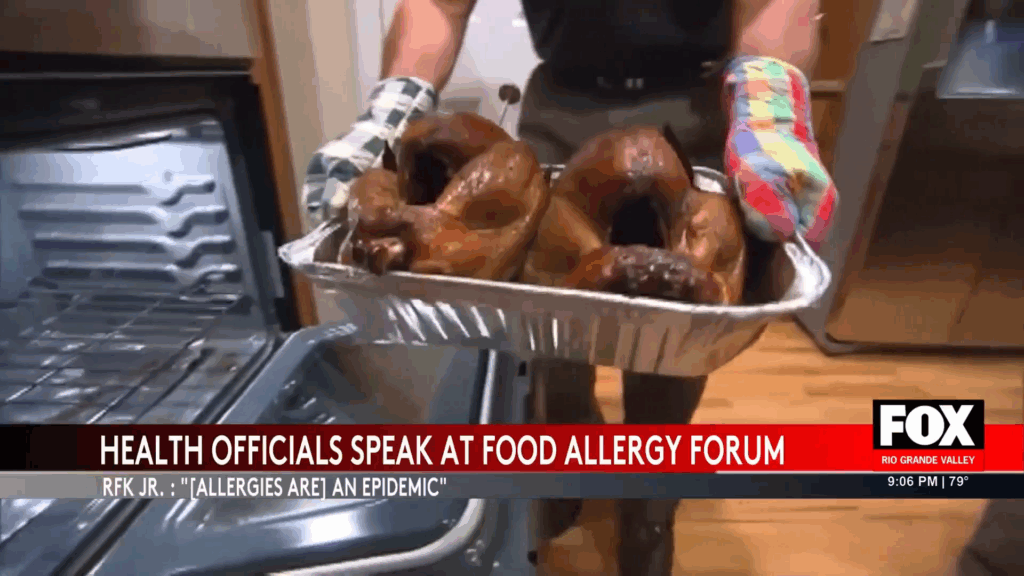
The growing prevalence of Food allergies has become a significant public health issue, with federal health officials highlighting it as one of the most overlooked crises of our time. With an estimated 33 million people affected, the urgency for solutions is mounting. Recent discussions at a food allergy forum in Washington have drawn attention to the need for accelerated solutions to tackle this pressing issue.
The Rise of Food Allergies: A Public Health Crisis
Food allergies are no longer a rare condition affecting a small segment of the population. Currently, they impact 1 in 13 children and as many as 1 in 10 adults in the United States. Health Secretary Robert F. Kennedy Jr. emphasized the epidemic nature of the situation, noting that the mass explosion of food allergies was not observed two generations ago. Experts, including FDA Commissioner Marty Makary, are striving to understand the causes behind this alarming trend.
The forum highlighted the challenges faced by individuals like Shelly Grisette's son, who must navigate daily life with severe dietary restrictions. Foods commonly consumed during holidays, such as chocolate bars, often contain allergens like wheat and eggs, limiting safe options for those affected.
Food Allergy Fund's Microbiome Initiative
A significant development in the fight against food allergies is the newly announced Microbiome Collective by the Food Allergy Fund. This multimillion-dollar endeavor aims to investigate how microbiome health influences allergic diseases and why food allergies develop. The initiative seeks to uncover the root causes of allergies, potentially paving the way for groundbreaking solutions.
The CEO of the Food Allergy Fund revealed that 48% of food allergies now begin in adulthood, further complicating the landscape of this health crisis. Understanding why food allergies are on the rise and identifying effective interventions is crucial for mitigating their impact on public health.
Additional Resources
For more information on food allergies and ongoing research, visit the [National Institute of Allergy and Infectious Diseases](https://www.niaid.nih.gov/).