Table of Contents
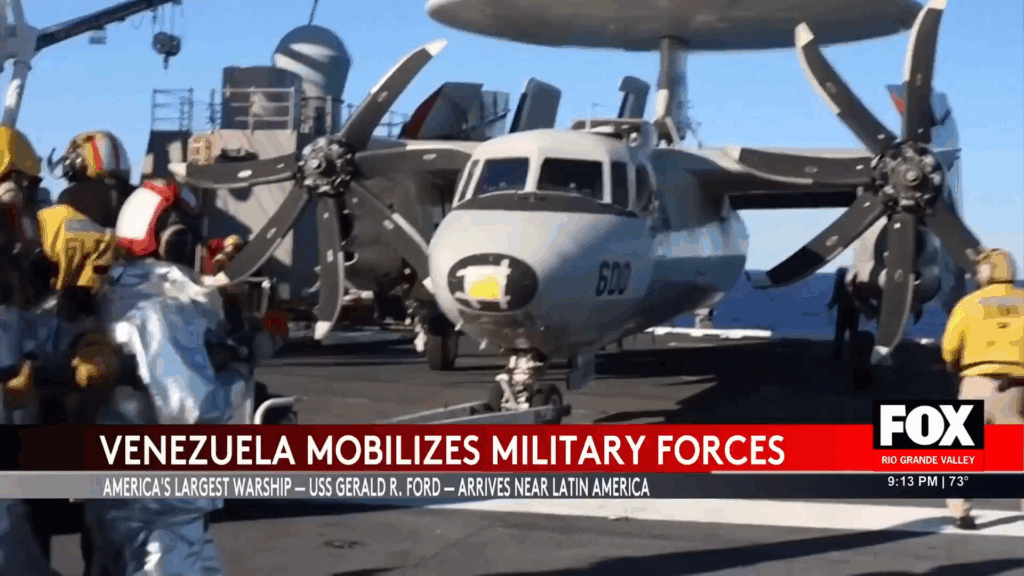
Venezuela's military response to the US Naval buildup in the Caribbean has become a focal point of international concern. The deployment of the USS Gerald R. Ford, America's largest warship, alongside its strike group, marks a significant escalation in the region. The initiative, part of President Trump's anti-narcotics trafficking campaign, has been met with a strong reaction from Venezuelan leader Nicolas Maduro.
Venezuela military response: Venezuela's Military Moves
Nicolas Maduro has labeled the US Naval buildup as a direct threat to his power, prompting him to announce the deployment of Venezuelan military personnel and weapons. The Venezuelan government stresses its readiness to defend the homeland against any perceived threat, irrespective of its scale or intensity. This move underscores the heightened tensions and the complexities surrounding US-Venezuela relations, as both countries brace for potential conflict.
US Naval Buildup and Its Implications
The deployment of the USS Gerald R. Ford is part of a broader effort by the White House to curb narcotics trafficking in the region. Recent strikes on suspected drug smuggling vessels in the eastern Pacific, which resulted in six fatalities, highlight the aggressive stance taken by the US. Pentagon chief Pete Hegseth emphasized the importance of deterring narcotic smuggling activities, which are perceived as threats to national security.
However, the US strategy has faced criticism at home and abroad. Lawmakers have raised questions about the lack of a clear endgame and the substantial financial costs associated with these operations. The controversy has further deepened with the UK suspending intelligence sharing with the US, citing concerns over the legality of recent strikes.
Additional Resources
For more information about the ongoing US-Venezuela tensions and military operations, visit the official [US Department of Defense website](https://www.defense.gov).