Table of Contents
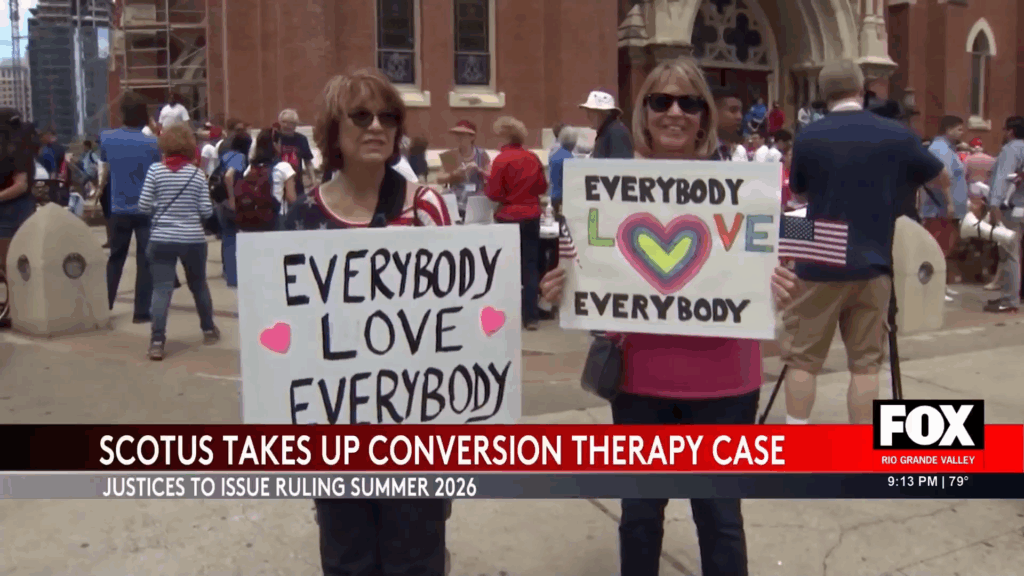
The debate over Conversion Therapy has reached the Supreme Court, where justices are considering a case that could influence LGBTQ rights across the United States. The Childs v. Salazar case, challenging a Colorado law banning conversion therapy, has garnered national attention. Conversion therapy, a controversial psychiatric treatment aimed at altering a person's sexual orientation or gender identity, is at the heart of the issue.
Studies, including one from the Trevor Project, indicate that there are over 1,300 practitioners of conversion therapy operating in 48 states, with a significant presence in Pennsylvania, Missouri, Ohio, Minnesota, and Texas. Research published by the Journal of the American Medical Association highlights the ineffectiveness of the practice and its potential to cause psychological harm, particularly in adolescents.
Conversion Therapy: Legal and Social Implications of the Supreme Court Decision
The case arose when Kaylee Chiles, a professional counselor, claimed that Colorado's ban on conversion therapy infringes upon the First Amendment rights of free speech and religion. Legal experts suggest that a ruling against Colorado could lead to the removal of similar bans in nearly half of the U.S. states, posing a risk to the mental health of young people nationwide. Previous studies have shown that bans on conversion therapy contribute to reduced suicidality among youth, underscoring the potential consequences of reversing these laws.
Impact on Mental Health and LGBTQ Rights
The potential for the Supreme Court's decision to affect LGBTQ rights and mental health is significant. If the court rules that Colorado's ban is unconstitutional, it could dismantle protections that prevent harmful practices. This outcome could have far-reaching effects, increasing the vulnerability of LGBTQ youth to psychological distress.
The Supreme Court is expected to issue a ruling by the summer of 2026, and its decision could set a precedent for the nation, influencing both legal interpretations of the First Amendment and the future of conversion therapy across the United States.
Additional Resources
For more information on conversion therapy and its impact, visit the official website of the American Psychological Association: www.apa.org.