Table of Contents
Introduction
While Heart Attacks are often associated with older adults, recent research sheds light on a concerning rise in heart attacks among younger adults, particularly women. A groundbreaking study led by Dr. Claire Raphael at the Mayo Clinic reveals surprising data about the underlying causes of this trend.
Understanding the Traditional and Non-Traditional Causes
Coronary artery disease remains the most common cause of heart attacks in the United States. It occurs when plaque builds up in the arteries, leading to narrowed passageways that restrict blood flow. However, not all heart attacks stem from these blockages. The study highlights non-traditional causes that are increasingly affecting younger adults.
Spotlight on Spontaneous Coronary Artery Dissection (SCAD)
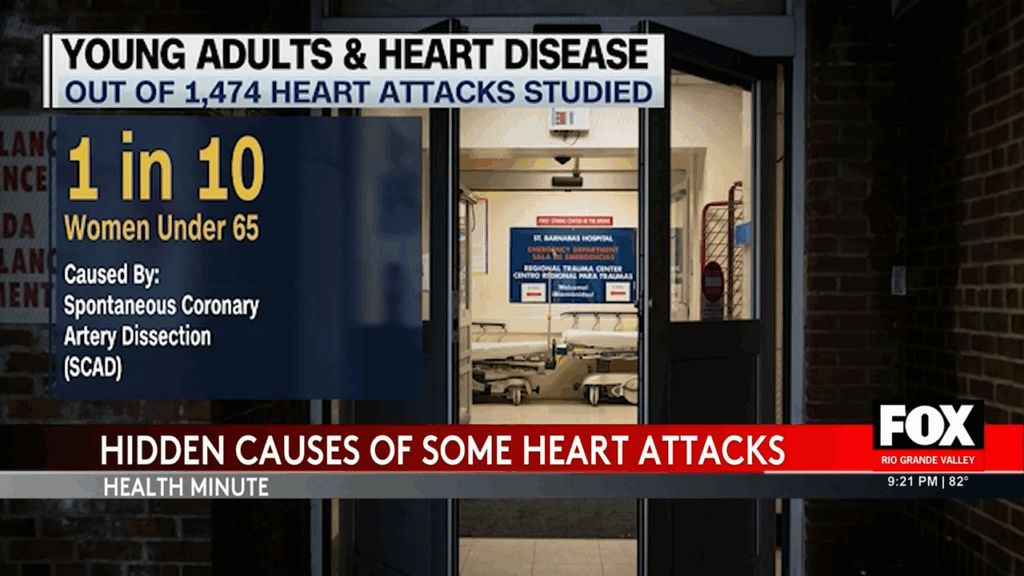
One of the most significant findings from the study is the role of spontaneous coronary artery dissection (SCAD) in heart attacks among young adults. SCAD involves a sudden tear in the artery of the heart or blood forming around the artery, disrupting the blood supply to the heart muscle. This condition can lead to a heart attack without the presence of cholesterol buildup in the arteries.
SCAD's Impact on Younger Women
Dr. Claire Raphael's research indicates that SCAD is almost six times more prevalent in women than in men. It predominantly affects younger, otherwise healthy women who do not display traditional risk factors like high cholesterol. This makes SCAD a critical focus for healthcare providers in diagnosing heart attack causes in young women.
Triggers and Symptoms
While SCAD can sometimes be triggered by intense physical activity, it can also occur unexpectedly. The lack of traditional risk factors often leads to misdiagnosis, emphasizing the need for increased awareness among both healthcare professionals and the general public. Dr. Raphael stresses the importance of seeking medical attention if experiencing unexplained chest pain or discomfort.
Conclusion
This study serves as a crucial reminder that heart attacks are not solely an affliction of the elderly or those with lifestyle risk factors. Young adults, especially women, are increasingly susceptible to non-traditional causes like SCAD. Awareness and early detection are vital in preventing misdiagnosis and ensuring timely treatment.
Additional Resources